The Shift from Ownership to Experience, from Hardware to Intelligence
In an industry historically defined by chrome, combustion, and convention, Autovate is steering away from the beaten path. As a brand born in the age of rapid digital evolution, Autovate isn’t just making cars it’s reimagining the relationship between people and mobility.
Where traditional automakers focus on horsepower and heritage, Autovate emphasizes innovation, automation, and user-centric design. The result? A smarter, cleaner, more connected driving experience that breaks the mold of auto culture as we know it.
Here’s how Autovate is not just participating in the automotive future—it’s driving it.
1. From Vehicles to Smart Mobility Platforms
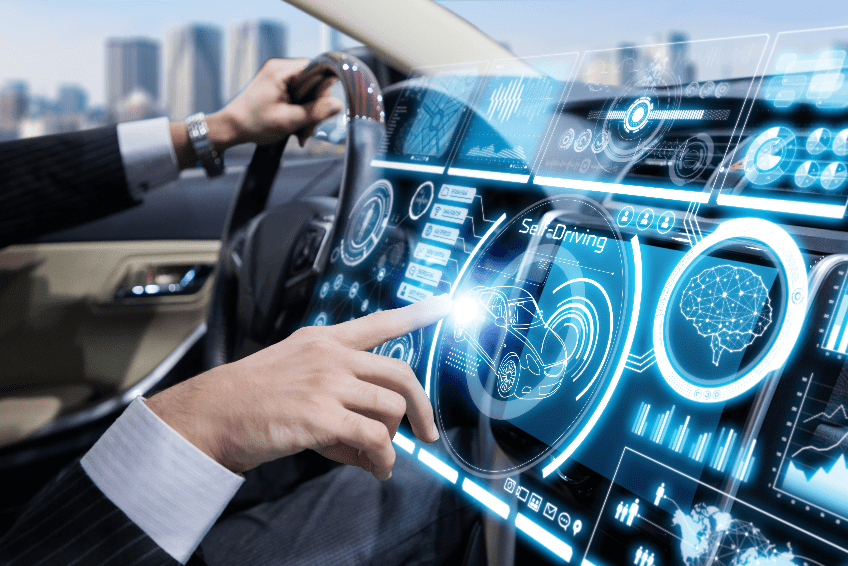
For decades, cars were defined by physical features: engines, seats, and fuel tanks. Autovate flips the narrative by building vehicles around software-first intelligence.
What That Means:
- AI-powered driving assistants that adapt to user habits and road conditions.
- Cloud-based updates that improve performance and add new features over time.
- Intelligent ecosystems that integrate with calendars, smart homes, and mobile devices.
“Autovate treats cars not as machines, but as evolving platforms for mobility.”
2. Challenging the Myth of Ownership
Traditional auto culture is rooted in the pride of ownership. But today, convenience, flexibility, and sustainability are reshaping what people value in transportation.
Autovate is leading this shift by offering:
- Subscription models that let users swap vehicles to fit different needs.
- On-demand car access through sharing networks built into the Autovate app.
- Digital vehicle keys for seamless, secure sharing among families, friends, or fleets.
In the Autovate world, you don’t need to own a car to enjoy the full benefits of one.
3. Always-On Connectivity
Autovate cars are more than connected—they’re context-aware, syncing with your daily life to make driving smarter and more seamless.
Integrated Features:
- Real-time traffic and weather adjustments.
- Calendar-based navigation planning.
- Personalized cabin settings (temperature, lighting, seat position) triggered by your profile.
It’s a vehicle that knows your routine and evolves with your lifestyle.
4. Redefining Safety Through Intelligence
Forget reactive systems—Autovate leads with proactive safety, using predictive algorithms and constant environmental analysis.
- Autonomous emergency responses that can react faster than human reflexes.
- 360º sensor fusion for blind-spot monitoring, collision prediction, and pedestrian detection.
- Driver monitoring to reduce distraction and fatigue-based incidents.
Safety isn’t just about airbags anymore—it’s about outsmarting danger before it happens.
5. Built for a Cleaner Tomorrow
While traditional automakers wrestle with retrofitting electric strategies, Autovate was born electric—designed from day one for energy efficiency and sustainability.
- Battery-first architecture means lighter, longer-range vehicles with optimal power distribution.
- Eco-mode intelligence adapts to driving habits to maximize range and reduce waste.
- Smart charging integration with renewable energy sources and grid-aware timing.
Autovate doesn’t just reduce emissions—it redefines what it means to drive clean.
6. Reprogramming the Culture
Car culture has long been about brands, models, and specs. Autovate is cultivating a new culture—one that values software updates as much as tire upgrades, and experiences as much as engine output.
You don’t have to be a “car person” to love Autovate—you just have to value:
- Effortless control.
- Clean energy.
- Thoughtful design.
- Intelligent automation.
This is driving for a generation that grew up with smartphones and smart cities.
Conclusion: A Movement, Not Just a Model
Autovate isn’t just changing what cars look like—it’s redefining what they mean. In doing so, it’s shaking up everything we thought we knew about auto culture: the need to own, the role of technology, the definition of performance, and the very purpose of a vehicle.
 Autovate